
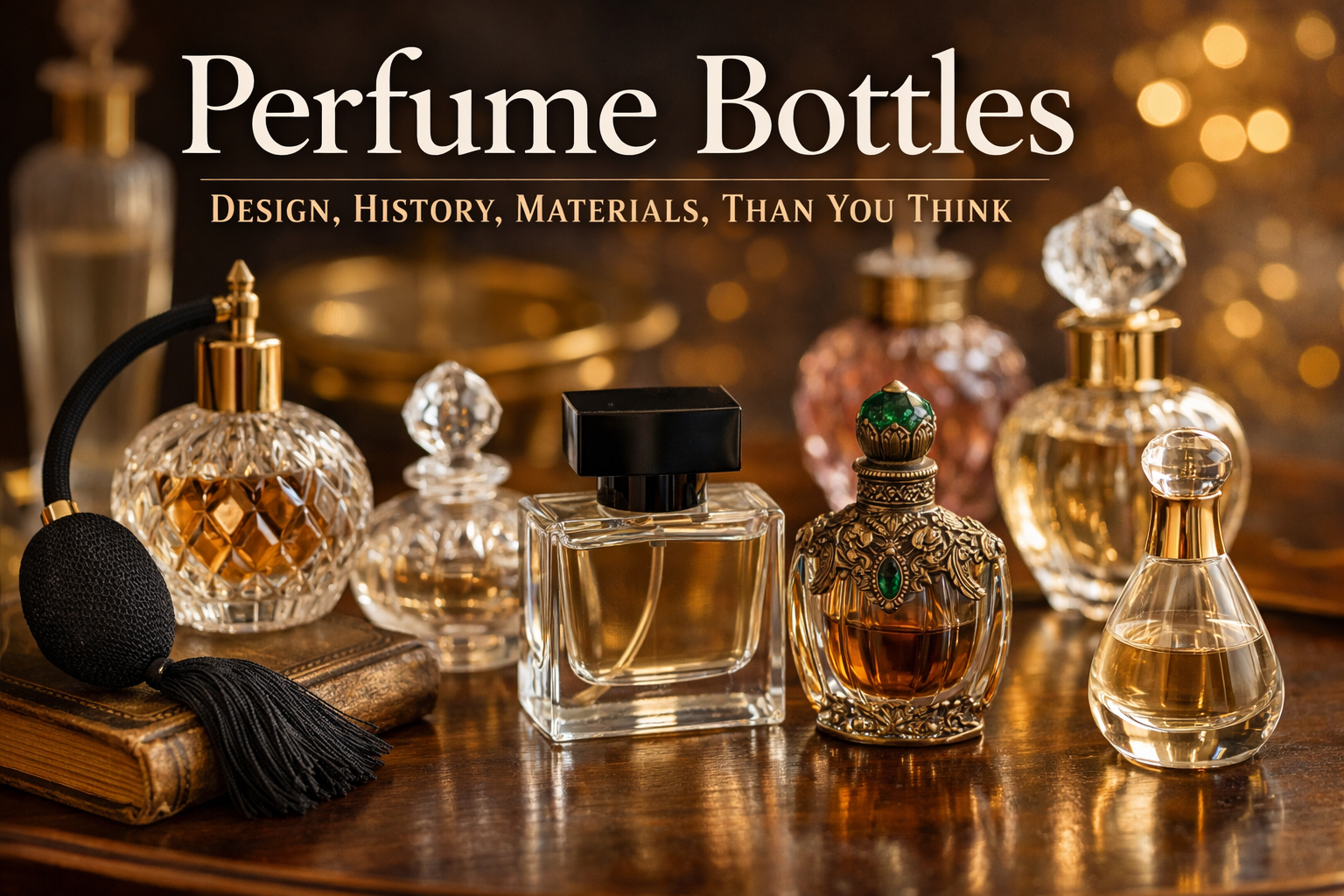
Where Fragrance Meets Art, Emotion, and Identity
Perfume is often remembered by its scent, but long before the fragrance touches the skin, it speaks through its bottle. Perfume bottles are not just containers; they are storytellers, works of art, and emotional triggers. A beautifully designed bottle can evoke desire, nostalgia, elegance, or luxury before a single drop is sprayed.
From minimalist glass designs to ornate collector pieces, perfume plays a powerful role in how we perceive fragrance. They influence buying decisions, shape brand identity, and often become keepsakes long after the scent is gone. Understanding perfume helps us appreciate perfume not just as a smell, but as a complete sensory experience.
The Hidden Importance of Perfume Bottles
At first glance, a perfume bottle may seem like simple packaging. In reality, it is one of the most important elements of a fragrance. The bottle creates the first impression, protects the perfume inside, and reflects the personality of the scent.
Many people fall in love with a perfume bottle before even smelling the fragrance. This emotional connection is intentional. Designers carefully choose shapes, colors, textures, and materials to match the mood of the perfume. A soft floral scent might come in a delicate pastel bottle, while a bold, intense fragrance may be housed in dark glass with sharp edges.
A Brief History of Perfume
Early Beginnings
Perfume date back thousands of years. Ancient civilizations stored fragrances in clay pots, stone containers, and carved glass. These early bottles were functional but also symbolic, often decorated with cultural patterns or religious symbols.
Over time, perfume evolved from basic storage items into expressions of status and artistry. As glassmaking techniques improved, bottles became more refined and decorative.
The Rise of Artistic Design
In the modern era, perfume became closely linked to fashion, luxury, and personal identity. Designers began treating bottles as miniature sculptures. This shift turned perfume into collectible items, sometimes more admired than the fragrance itself.
Materials Used in Perfume
Glass is the most widely used material for perfume, and for good reason. It is non-reactive, meaning it doesn’t alter the fragrance inside. Rolex Watch Price Glass also allows for endless design possibilities, from crystal-clear minimalism to colored, textured, or frosted finishes.
Metal and Decorative Elements
Some perfume incorporate metal details, such as caps or frames, to add weight and elegance. These elements often give the bottle a premium feel and enhance durability.
Decorative additions like engravings, embossing, or gemstone-inspired accents are used to create a sense of uniqueness and exclusivity.
Plastic and Modern Alternatives
While less common in luxury perfumes, plastic is sometimes used for travel-size or affordable fragrances. Advances in material technology have improved the look and feel of plastic bottles, making them lighter and more practical without sacrificing visual appeal.
How Bottle Design Influences Buying Decisions
Perfume’s psychological impact on consumers. The shape, color, and weight of a bottle can influence how we expect the fragrance to smell. A heavy bottle often suggests richness and depth, while a slim, transparent bottle implies freshness and simplicity.
Design choices are never random. Brands invest heavily in bottle design because they know it can be the deciding factor at the moment of purchase. In many cases, the bottle acts as silent communication between the brand and the buyer.
The Role of Perfume in Brand Identity
A perfume bottle often becomes the visual symbol of a brand. Iconic bottles are instantly recognizable and emotionally linked to the fragrance they hold. Over time, these bottles become part of popular culture, appearing in advertisements, social media, and personal collections.
Consistency in bottle design also builds trust. When consumers recognize a familiar shape or style, they feel confident in the quality and experience they expect from the perfume.
Collector’s Appeal: Why People Keep Perfume
Many people keep empty perfume bottles long after the fragrance is finished. This is because perfume often hold sentimental value. They remind us of memories, milestones, or specific moments in life.
Some bottles are collected purely for their artistic value. Vintage and limited-edition perfume bottles can become prized possessions, appreciated for their craftsmanship and design history.
Sustainability and the Future of Perfume Bottles
As awareness of environmental impact grows, perfume bottles are evolving. Brands are exploring recyclable materials, refillable designs, and reduced packaging waste. Refillable perfume bottles, in particular, are becoming increasingly popular as they combine luxury with responsibility.
Sustainable perfume bottles prove that beauty and environmental care can coexist. This shift reflects a growing desire among consumers to make mindful choices without compromising on quality or aesthetics.
Types of Perfume Bottle Designs
-
Minimalist bottles with clean lines and neutral colors
-
Artistic bottles shaped like objects, symbols, or abstract forms
-
Vintage-inspired bottles with classic curves and ornate details
-
Modern luxury bottles with bold geometry and metallic accents
How to Store Perfume Bottles Properly
Proper storage helps preserve both the fragrance and the bottle. Perfume bottles should be kept away from direct sunlight, heat, and humidity. These elements can damage the perfume and discolor the bottle over time.
Keeping perfume bottles in their original boxes or in a cool, dark place helps maintain their beauty and longevity.
Why Perfume Bottles Are More Than Packaging
Perfume bottles represent the meeting point of art, chemistry, and emotion. They transform fragrance into an experience that begins before the first spray and lingers long after the last drop. Whether simple or extravagant, every perfume bottle tells a story.
In a world where first impressions matter, perfume bottles quietly shape how we feel, remember, and connect with fragrance.
(FAQs)
1. Why are perfume bottles usually made of glass?
Glass is non-reactive, preserves fragrance quality, and allows for creative and elegant designs.
2. Do perfume bottles affect the scent?
Yes, proper materials and airtight designs help protect the fragrance from air, light, and temperature changes.
3. Are refillable perfume bottles better for the environment?
Yes, refillable bottles reduce waste and support sustainable fragrance practices.
4. Why are some perfume bottles so expensive?
The cost often reflects craftsmanship, materials, design complexity, and brand value.
5. Can empty perfume bottles be reused?
Yes, many people reuse them for decoration, storage, or DIY projects.
Final Thoughts
Perfume bottles are far more than decorative containers. They shape our perception of fragrance, reflect personal style, and often become emotional keepsakes. From ancient designs to modern sustainable innovations, perfume bottles continue to evolve while maintaining their role as silent storytellers.
Whether you admire them for their beauty, collect them for nostalgia, or choose them for sustainability, perfume bottles remain an essential part of the fragrance world—where scent meets soul.