
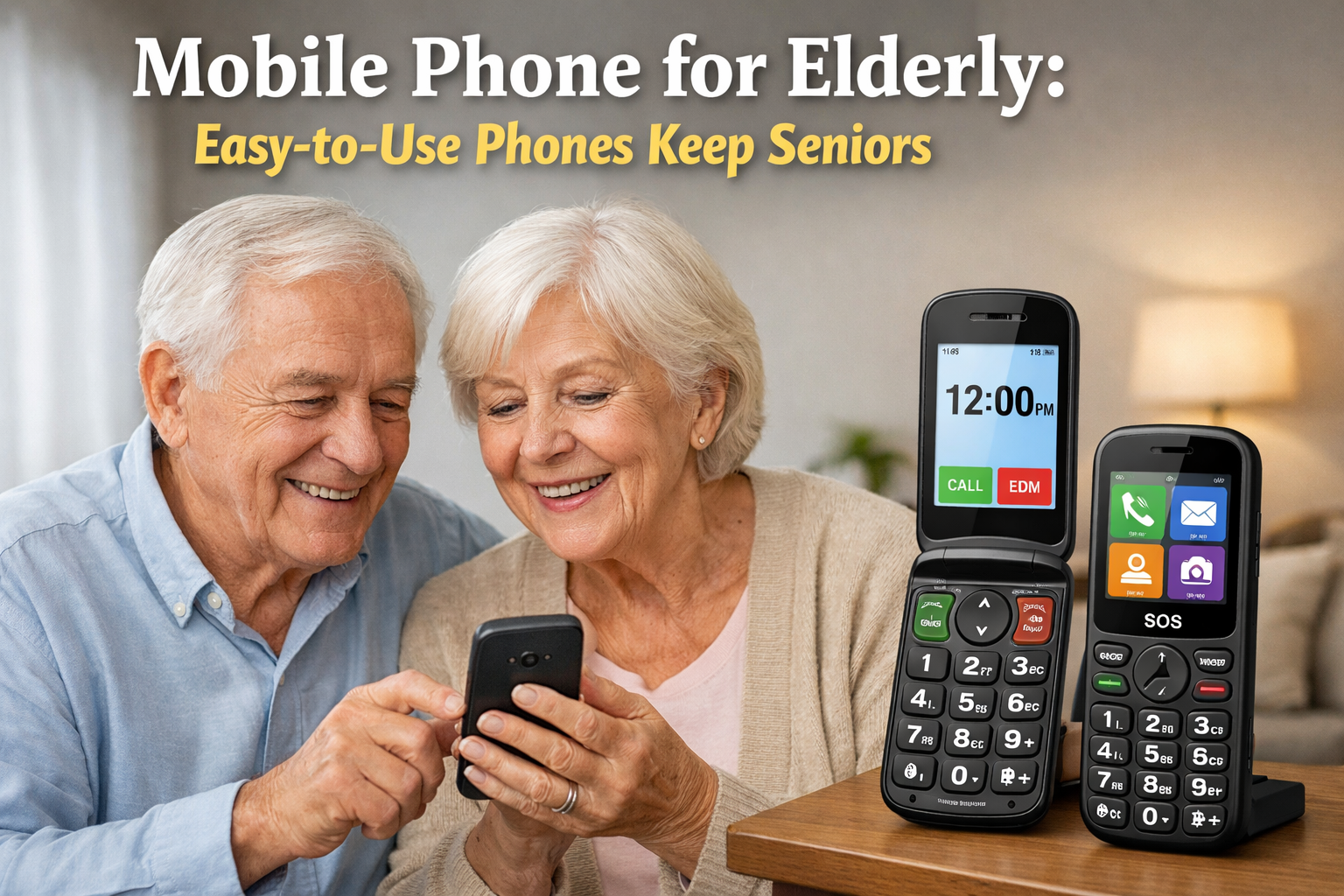
Simple Technology for a More Connected Life
Staying connected is more important than ever, especially for older adults who want to keep in touch with family, friends, and caregivers. A mobile phone for elderly users is not just a communication device; it’s a tool for independence, safety, and peace of mind. While modern smartphones offer countless features, they are often complex and overwhelming for seniors. That’s why phones designed specifically for elderly users focus on simplicity, clarity, and reliability.
As people age, changes in vision, hearing, memory, and dexterity can make using standard smartphones challenging. The right mobile phone for elderly individuals removes these barriers, offering an experience that feels comfortable rather than frustrating. Whether it’s making a call, sending a message, or calling for help in an emergency, these devices are built to support daily life with ease.
Why Choosing the Right Mobile Phone for Elderly Matters
Technology should adapt to people—not the other way around. For seniors, a poorly designed phone can lead to confusion, missed calls, or even safety risks. A thoughtfully designed mobile phone for elderly users encourages regular communication, reduces isolation, and supports confidence in using technology.
Many older adults rely on their phones not only to talk to loved ones but also to manage appointments, receive reminders, and stay reachable in emergencies. When a phone is easy to use, it becomes a trusted companion rather than a source of stress.
Key Needs of Elderly Mobile Phone Users
Understanding the needs of elderly users is the first step toward choosing the right device. Simplicity is the foundation. Seniors often prefer phones that focus on essential functions rather than unnecessary apps or complicated menus.
Clarity is another major factor. Larger screens, clear text, and loud, adjustable sound help compensate for vision or hearing challenges. Physical comfort also matters, as stiff fingers or reduced grip strength can make small buttons and touchscreens difficult to use.
Essential Features of a Mobile Phone for Elderly
Large, Easy-to-Read Display
A clear display with large text makes reading messages, contacts, and menus much easier. High contrast between text and background improves visibility, even in bright light.
Simple Interface
A mobile phone for elderly users should have a straightforward menu with clearly labeled options. Fewer steps to complete basic tasks like calling or texting make a big difference.
Loud and Clear Audio
Strong speakers and adjustable volume ensure that calls and notifications are not missed. Many senior-friendly phones also support hearing aids.
Emergency Support
Emergency calling features provide reassurance to both seniors and their families. With quick access to help, users feel safer and more independent.
Comfortable Design
Phones designed for elderly users often feature ergonomic shapes and easy-to-press buttons, reducing strain during daily use.
Benefits of Using a Mobile Phone Designed for Elderly Users
A phone that fits a senior’s needs can significantly Rolex Watch Price improve quality of life. It encourages communication, helping older adults stay socially connected and emotionally supported. This connection is especially important for those living alone or far from family.
Using a mobile phone for elderly users also promotes independence. Seniors can manage their own calls, messages, and contacts without constantly relying on others. Over time, this builds confidence and reduces frustration with technology.
Mobile Phone for Elderly vs Regular Smartphones
While smartphones offer advanced features, they are not always suitable for seniors. Small icons, complex settings, and constant notifications can feel overwhelming. In contrast, a mobile phone for elderly users prioritizes usability over novelty.
That doesn’t mean elderly phones lack modern functionality. Many now offer essential features like messaging, cameras, and internet access, but in a simplified and controlled way. This balance allows seniors to enjoy technology without feeling lost.
How a Mobile Phone for Elderly Enhances Safety
Safety is one of the biggest reasons families choose specialized phones for older adults. Easy access to emergency contacts ensures help is always within reach. Some phones also include features that allow caregivers to check in or assist remotely.
Knowing that help is only a button away provides peace of mind for both seniors and their loved ones. This sense of security encourages elderly users to stay active and independent.
Tips for Setting Up a Mobile Phone for Elderly Users
Setting up the phone properly is just as important as choosing the right model. Adjusting text size, volume levels, and contact shortcuts can make a huge difference in daily usability.
-
Save important contacts with clear names
-
Increase font size and screen brightness
-
Set emergency contacts for quick access
-
Disable unnecessary notifications
Teaching Seniors to Use a New Mobile Phone
Patience and encouragement go a long way when introducing a new phone to an elderly user. Start with the basics, such as answering calls and making outgoing calls. Gradually introduce additional features as confidence grows.
Repetition helps reinforce learning. Simple written instructions or visual guides can also be helpful. Most importantly, allow seniors to learn at their own pace without pressure.
Who Should Buy a Mobile Phone for Elderly?
A mobile phone for elderly users is ideal for seniors who value simplicity and reliability over advanced technology. It’s especially helpful for individuals who struggle with touchscreens, small text, or complex menus.
These phones are also a great option for families who want to ensure their loved ones remain reachable and safe without overwhelming them with unnecessary features.
Is a Mobile Phone for Elderly Worth It?
For many seniors, the answer is yes. These phones are designed with real needs in mind, offering comfort, clarity, and confidence. Instead of adapting to technology that wasn’t built for them, elderly users benefit from devices that respect their abilities and preferences.
A well-chosen phone can improve daily communication, reduce feelings of isolation, and provide reassurance during emergencies. That makes it a valuable investment in both safety and quality of life.
(FAQs)
1. What is the best mobile phone for elderly users?
The best phone is one that offers a simple interface, large display, loud audio, and emergency features suited to the user’s needs.
2. Are smartphones suitable for elderly people?
Some seniors enjoy smartphones, but many prefer phones designed specifically for elderly users due to their simplicity and ease of use.
3. Can elderly users send text messages easily?
Yes, most senior-friendly phones support texting with larger keys or simplified keyboards for easier typing.
4. Do mobile phones for elderly have emergency features?
Many models include emergency calling options that allow quick access to help when needed.
5. Is a mobile phone for elderly expensive?
These phones are available in a wide price range and are often more affordable than advanced smartphones.
Final Thoughts
A mobile phone for elderly users is more than a device—it’s a bridge to connection, safety, and independence. By focusing on simplicity, clarity, and essential features, these phones empower seniors to stay in touch with the world around them without frustration.
Choosing the right phone can make everyday communication easier and more enjoyable, helping elderly users feel confident and supported. In a world driven by technology, the best solutions are often the simplest ones—designed with real people and real needs in mind.